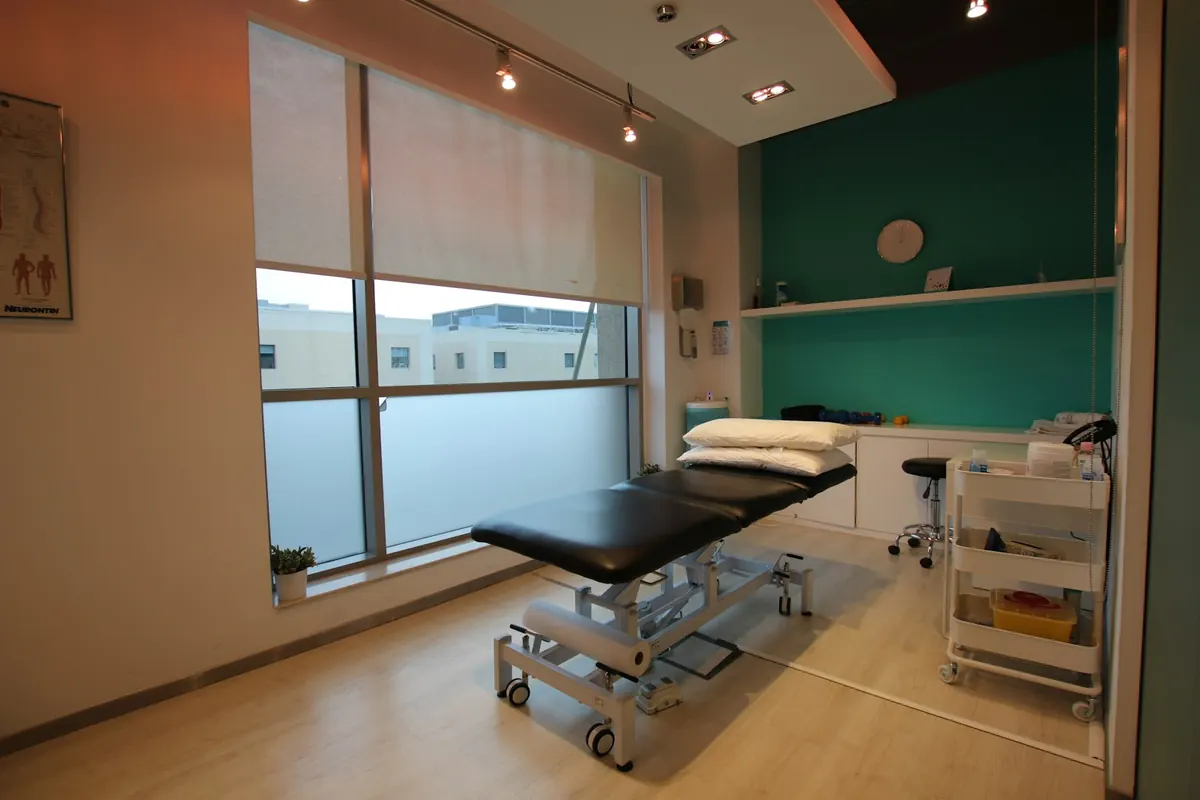
Knee pain treatment without surgery: how physiotherapy helps
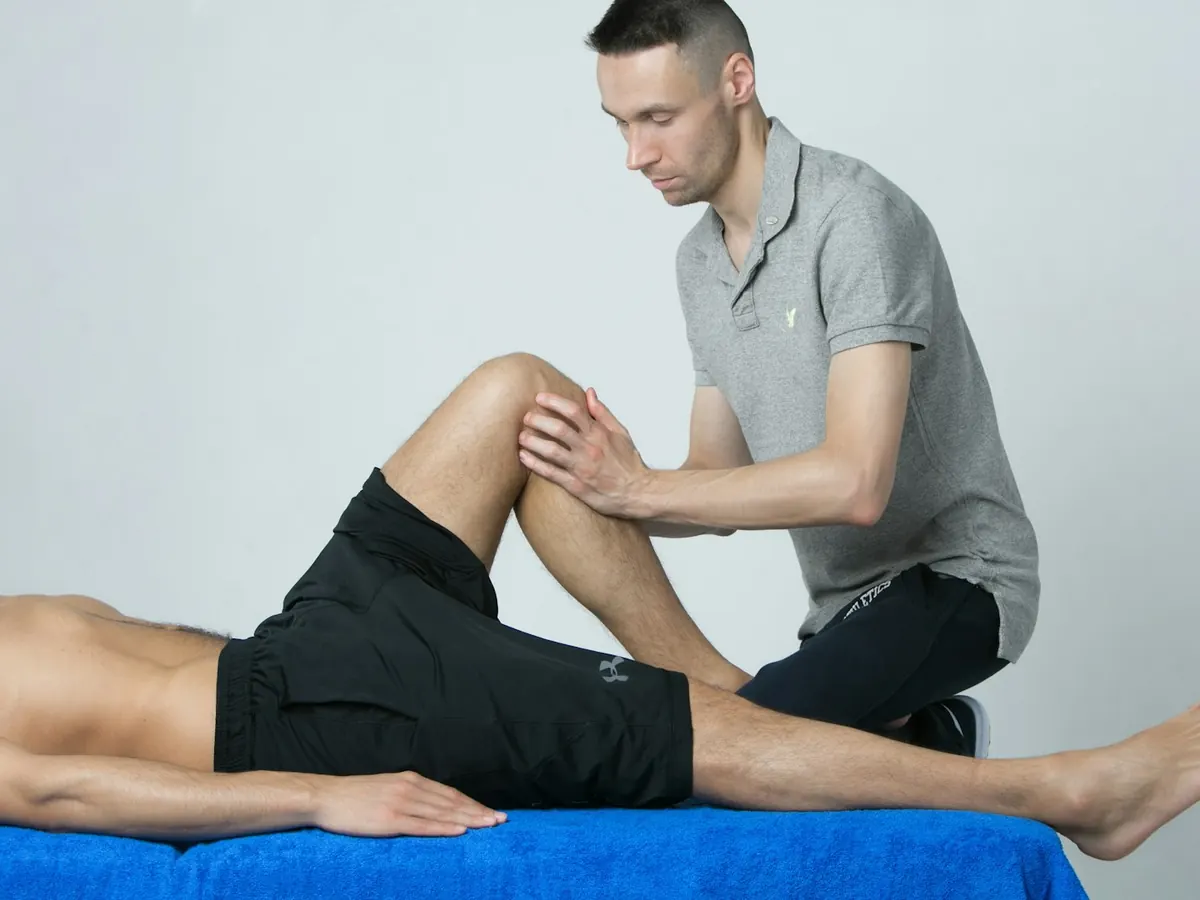
Many people with knee pain, including knee osteoarthritis, improve without surgery. Stronger muscles around the knee take load off the joint, and the right exercise plan is the first treatment most guidelines recommend.
Common causes of knee pain
- Knee osteoarthritis: wear in the joint, common after 45, with stiffness and pain on stairs.
- Pain around the kneecap: common in younger adults, worse on stairs, squatting and long sitting.
- Ligament or meniscus injuries: often after a twist during sport.
- Tendon pain: just below or above the kneecap, linked to running and jumping.
What physiotherapy for knee pain involves
- An assessment of strength, movement, walking and the joint itself
- Strength training for the thigh, hip and calf muscles, increased step by step
- Manual therapy to improve how far the knee bends and straightens
- Kinesiology taping or IASTM where they help
- Advice for stairs, walking, and sitting on the floor
Four starter exercises
1. Thigh tightening (quad set)
Sit with your leg straight and a rolled towel under the knee. Tighten the thigh muscle to press the knee down into the towel. Hold, then relax.
Dose: 10 repetitions, hold 5 seconds
2. Straight leg raise
Lie on your back with one knee bent. Tighten the thigh of the straight leg and lift it to the height of the other knee. Lower slowly.
Dose: 2 sets of 10 on each side
3. Sit to stand
Sit on a firm chair. Stand up without using your hands if you can, then sit down slowly. Use a higher chair if this hurts.
Dose: 2 sets of 8 to 10
4. Calf raises
Stand holding a wall or table. Rise onto your toes, then lower slowly.
Dose: 2 sets of 12
Mild discomfort during exercise is normal. If pain is still higher the next morning, do fewer repetitions.
Everyday tips for Indian homes
- If sitting cross-legged on the floor hurts, use a low stool or chair for a few weeks.
- Use a toilet seat or commode chair if squatting is painful.
- On stairs, go up with the stronger leg first and down with the painful leg first, and use the railing.
- Keep walking, but break long walks into shorter ones.
When is surgery considered?
An orthopaedic surgeon may discuss surgery when pain stays severe and limits daily life despite a proper course of exercise and other treatment, or after certain injuries. Even then, physiotherapy before and after surgery helps recovery. See post-surgery rehab at MoveMed.
See a doctor first if:
- You cannot put weight on the leg after an injury
- The knee is locked and will not straighten
- The knee is hot, red and swollen, or you have a fever
Read more about knee pain treatment at MoveMed.
This article is general information, not a diagnosis. If you have pain, an assessment with a qualified physiotherapist or doctor is the best next step.
First visit ₹900: a full assessment and your first treatment with Dr. Kulsum Sultana, PT.