Sports and gym injuries: what to do in the first 72 hours and how to return safely
Sprains and strains are part of playing sport and training in the gym. What you do in the first few days, and how you build back up, makes a big difference to how quickly and safely you return.
Common injuries
- Ankle sprains from landing or turning awkwardly
- Hamstring and calf strains from sprinting
- Knee ligament injuries from twisting
- Shoulder and lower back strains from lifting
- Tennis elbow, golfer’s elbow and shin splints from overuse
The first 48 to 72 hours
- Protect: stop playing or training. Pushing through pain usually makes the injury worse
- Rest relatively: avoid what hurts, but keep the rest of your body moving
- Ice: 15 to 20 minutes every 2 to 3 hours, wrapped in a cloth, never directly on skin
- Compress: a firm but comfortable bandage can help control swelling
- Elevate: keep the injured part raised when you can
- Avoid for the first two days: heat, hard massage and alcohol, which can increase swelling
How physiotherapy helps
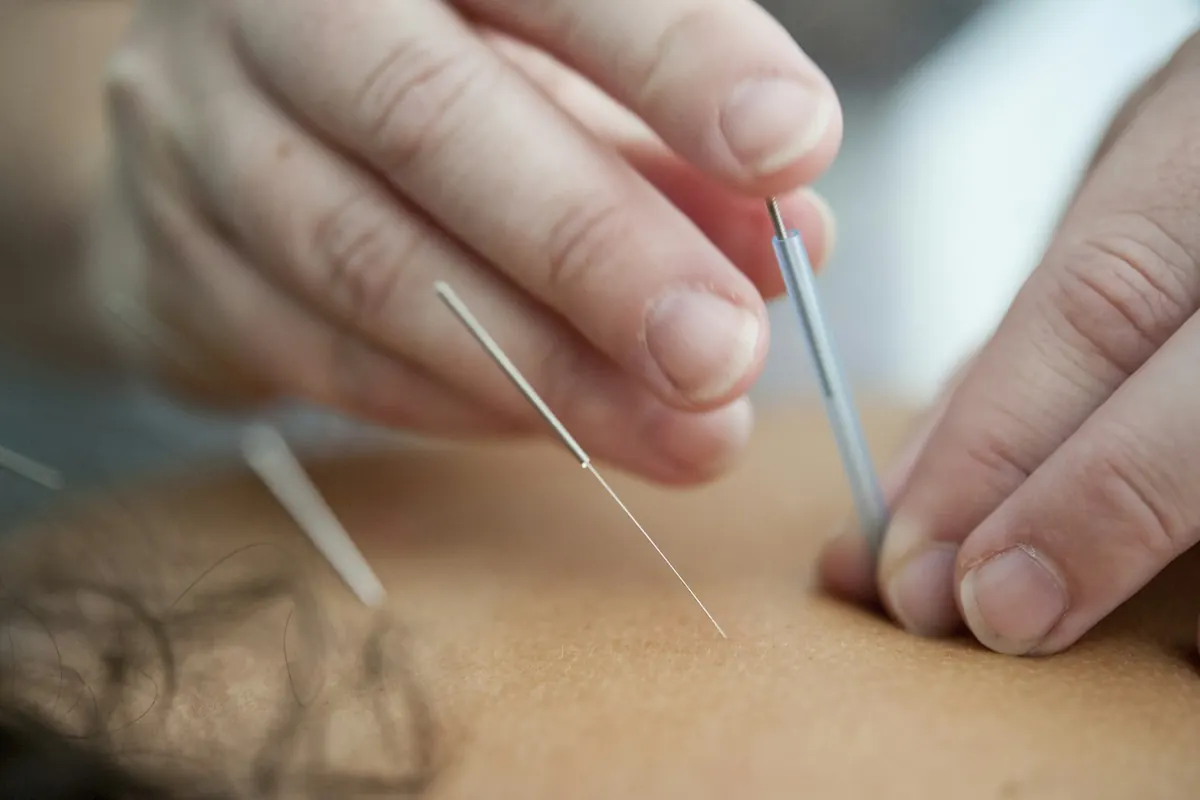
A physiotherapist works out which tissue is injured and how badly, then helps you control pain and swelling, get your movement back, and rebuild strength and balance. Depending on the injury, treatment can include kinesio taping, dry needling, IASTM and cupping alongside a step-by-step exercise plan. The final stage is training for the specific demands of your sport.
Are you ready to return?
- You have full, pain-free movement
- Your strength is close to your uninjured side
- You can jog, hop, sprint and change direction without pain
- You feel confident, not nervous, about the injured part
Preventing the next injury
- Warm up for about 10 minutes before you train or play
- Increase training load gradually, not suddenly
- Plan rest days and sleep well
- Get your technique checked for heavy lifts
See sports and gym injury treatment at MoveMed.
Go to a doctor or emergency department if:
- You cannot put weight on the leg or walk four steps
- A bone or joint looks out of shape
- You heard a pop with immediate swelling in the knee
- You have numbness, tingling or a cold, pale limb
- You hit your head and feel dizzy, confused, sick or have a headache
This article is general information, not a diagnosis. If you have pain or new symptoms, an assessment with a qualified physiotherapist or doctor is the best next step.
Assessment and treatment with Dr. Kulsum Sultana, PT. Book on WhatsApp or by phone.