Joint pain and arthritis: how physiotherapy helps you move with less pain
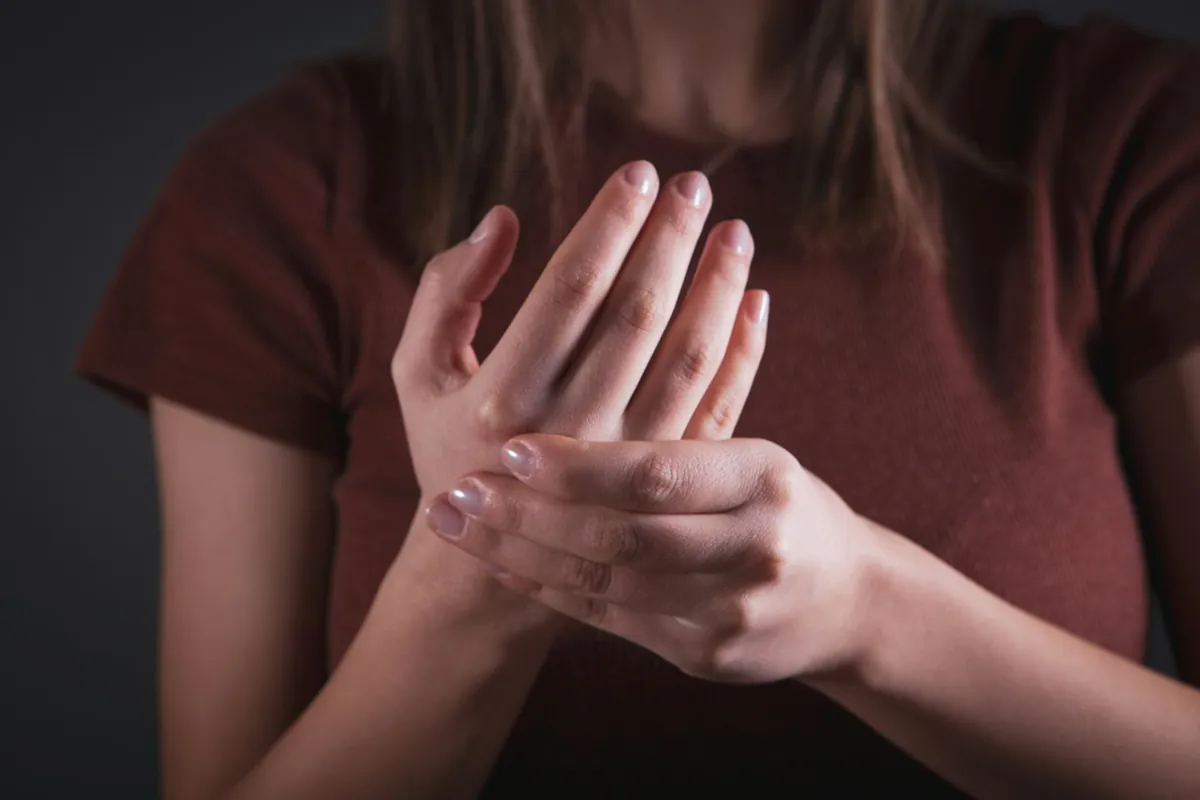
Stiff, aching joints are common as we get older, after an old injury, or with arthritis. Resting feels like the right thing to do, but most joints feel better with the right kind of regular movement.
Common causes
- Osteoarthritis (wear and tear), most often in the knees, hips, hands and lower back
- An old injury to the joint, such as a sprain or fracture
- Weak muscles around the joint, so the joint takes more load
- Extra body weight, which adds strain to the knees and hips
- Inflammatory arthritis, such as rheumatoid arthritis. This needs a doctor’s care alongside physiotherapy
What it can feel like
- Stiffness in the morning or after sitting, which eases once you start moving
- Aching during or after activity
- Swelling, clicking or a grinding feeling
- Difficulty with stairs, getting up from the floor, or gripping things
How physiotherapy helps
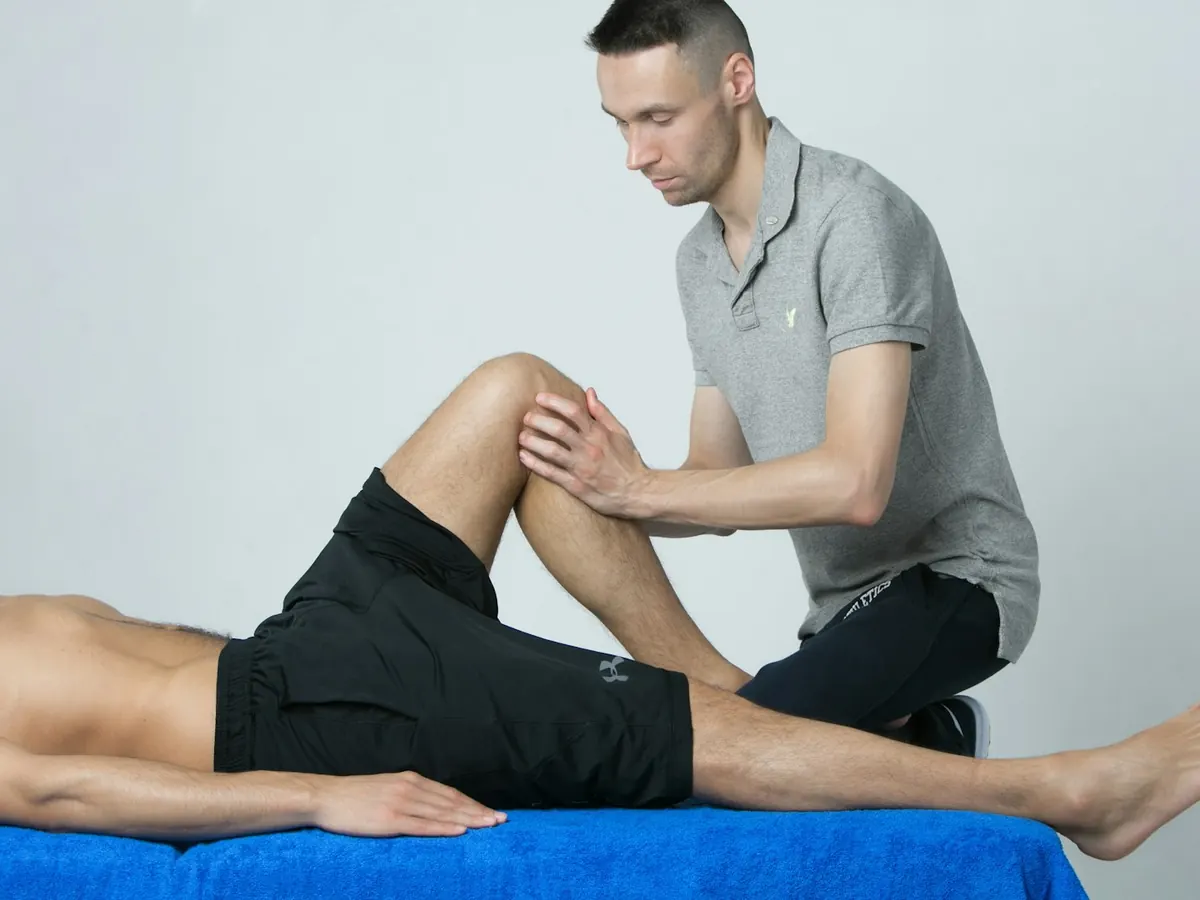
A physiotherapist checks which joints are affected, how they move, and how strong the muscles around them are. Treatment usually combines strengthening exercises, gentle hands-on therapy to ease stiffness, and advice on pacing your day, footwear and walking aids. Taping can support a painful joint during activity. You go home with exercises you can keep doing.
Four gentle exercises
1. Seated knee straightening
Sit tall on a chair. Slowly straighten one knee until the leg is level, tighten the thigh muscle, then lower slowly.
Dose: 10 on each leg, hold 5 seconds
2. Sit to stand
Sit near the front of a firm chair, feet hip-width apart. Stand up, then sit back down slowly. Use your hands on the armrests if you need to.
Dose: 2 sets of 8
3. Heel raises
Hold a counter or the back of a chair. Rise up onto your toes, then lower slowly.
Dose: 2 sets of 10
4. Fist and stretch
Gently make a fist, then open and spread your fingers wide. Doing this after warming your hands in warm water can feel easier.
Dose: 10 times with each hand
Daily habits that help
- Move little and often. Short walks are better than long periods of sitting
- Use a warm pack for stiffness, and a cold pack wrapped in a cloth for 15 minutes if a joint is swollen after activity
- Keep to a healthy weight to take load off your knees and hips
- Wear supportive, cushioned footwear
- Break big tasks into smaller parts with rests in between
When to see a physiotherapist
Book an assessment if joint pain lasts more than two to three weeks, keeps coming back, or stops you doing everyday things like walking, climbing stairs or sleeping. See knee pain and osteoarthritis treatment at MoveMed.
See a doctor urgently if you have:
- A hot, red, very swollen joint, especially with a fever
- A joint injury where you cannot put weight on the leg
- Sudden severe joint pain with no clear cause
- Joint pain with a rash or feeling generally unwell
- Morning stiffness lasting more than an hour in several joints
This article is general information, not a diagnosis. If you have pain or new symptoms, an assessment with a qualified physiotherapist or doctor is the best next step.
Assessment and treatment with Dr. Kulsum Sultana, PT. Book on WhatsApp or by phone.